Bellmore Locksmiths Service Team
Local locksmith team
Jun 17, 2026 11 min read
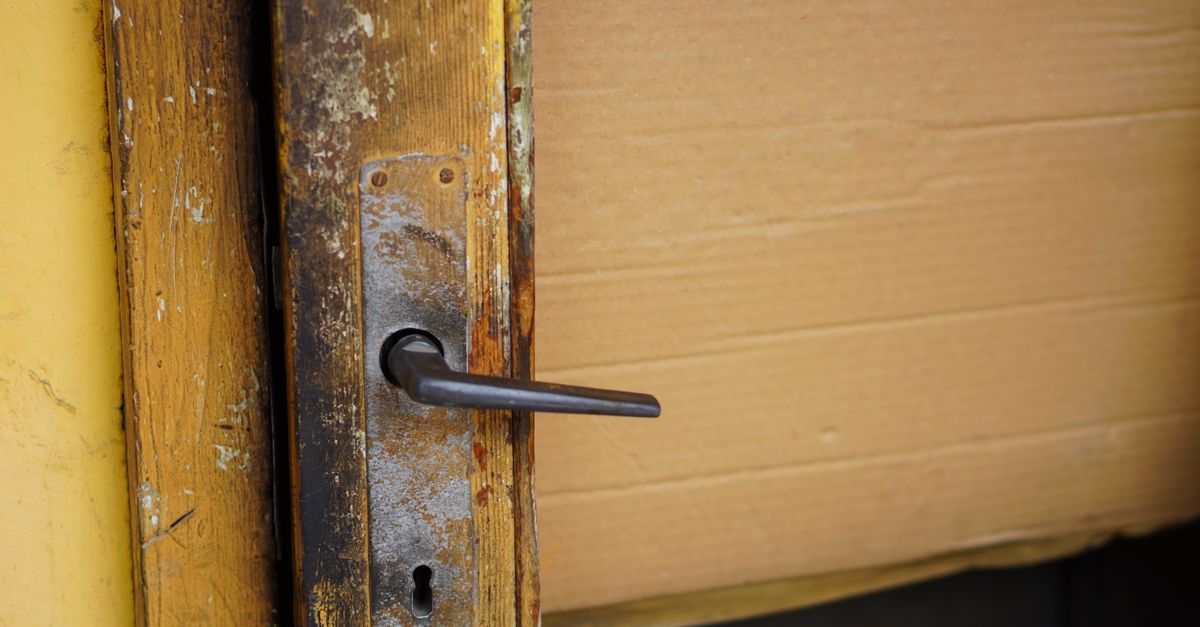
If you have ever bought or renovated an older home along Bellmore Avenue or anywhere in Nassau County's south shore, you have probably pulled open a solid wood door and felt that satisfying, vault-like click of a lock that felt nothing like the lightweight hardware on a newer house. Chances are good you were working a mortise lock — and there is a reason so many Bellmore homes still rely on them decades after they were first installed.
This guide breaks down exactly what a mortise lock is, how it compares to the cylinder-style hardware most people picture when they think of a door knob with lock and key, and how to decide whether your aging unit needs a repair, a cylinder swap, or a full replacement. Whether you are dealing with a sticky latch on a Victorian-era front door or upgrading a mortise lock set on an exterior door before winter, the answers below will help you move forward with confidence.
## What Is a Mortise Lock, and How Does It Actually Work?
A mortise lock is a complete locking mechanism that lives inside a deep rectangular pocket — the mortise — cut directly into the edge of a door. Instead of a simple cylindrical bore through the door face, the mortise pocket houses a full steel case containing the latch bolt, the deadbolt, the cam that connects them, and sometimes a privacy thumb-turn, all in one self-contained unit. The lock cylinder — the keyway plug you insert your key into — sits in a separate hole on the face of the door and drives that internal case. Because the hardware is recessed into the door itself rather than surface-mounted, the door stays thicker and structurally stronger at the locking point.
This is fundamentally different from a cylindrical lockset, which is the most common modern hardware: a bored hole through the door face accepts a self-contained knob or lever assembly, and a separate deadbolt sits above it. Cylindrical locks are quick to install and easy to find at any hardware store, but they require a wider bored hole and leave more of the mechanism exposed. A mortise lock, by contrast, distributes its load across the full thickness of the door stile, which is a big reason why a well-maintained unit from the 1950s can still feel rock-solid today. Brands like Baldwin mortise lock sets and Corbin Russwin mortise lock hardware have long supplied the premium end of this market, and you will find both in homes and commercial buildings across the Bellmore area.
## Why Bellmore Homes Have So Many Mortise Locks — A Little Local Context
Bellmore and its neighbor North Bellmore developed rapidly in the postwar suburban boom of the late 1940s and 1950s, and the Cape Cods, colonials, and split-levels built during that era came standard with mortise hardware. At the time, mortise locks were the professional-grade choice for residential and light-commercial construction across Long Island. Builders along streets like Sunrise Highway's feeder blocks and the older sections near Bellmore train station specified heavy-gauge steel mortise cases because they were expected to last the life of the house — and most of them have.
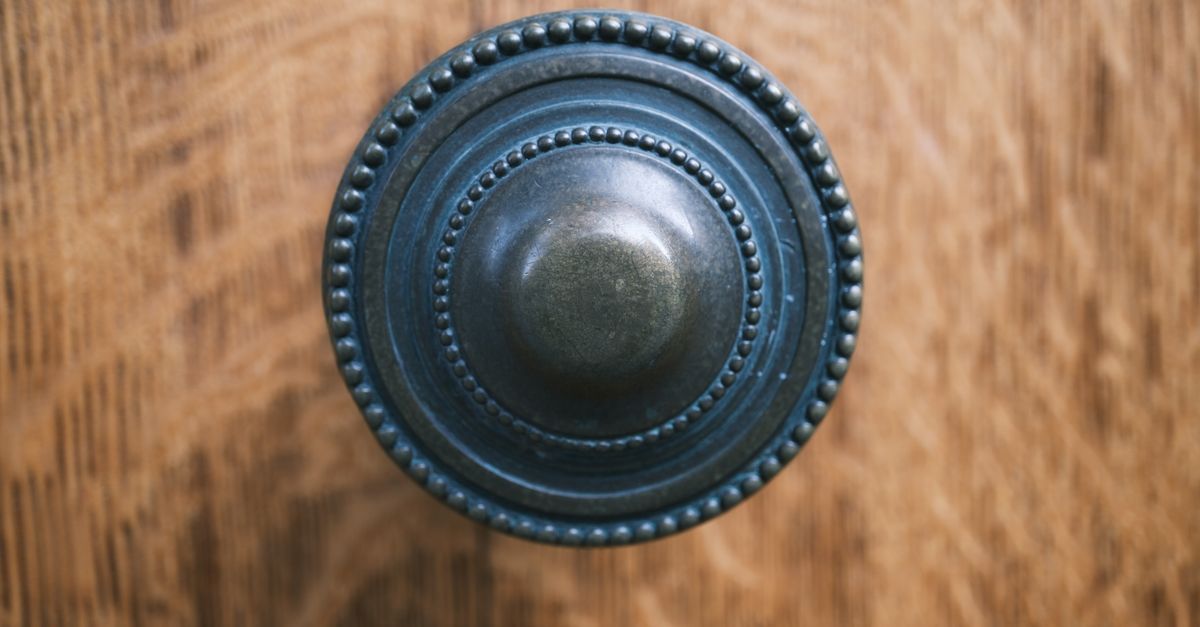
North Bellmore's slightly older housing stock means mortise hardware is even more prevalent there, and many homeowners are surprised to discover that what looks like a simple door knob with lock and key on the outside actually connects to a full mortise case buried inside a two-inch-thick door stile. The upside is longevity and strength. The downside is that when something wears out — a broken cam, a seized latch, a cracked cylinder — the repair requires someone who actually knows mortise lock mechanics, not just a big-box swap-out.
## Mortise Lock Repair vs. Replacement: How to Decide
The most common question our team hears is whether to repair or replace. The honest answer depends on four things: the condition of the internal case, the availability of matching parts, the door itself, and what level of security you want going forward. If the steel case is intact and the mechanism simply needs a new mortise lock cylinder, a tailpiece, or a worn cam, repair almost always makes more sense — especially on a solid-wood door where routing a new mortise pocket would weaken the stile. A cylinder swap on a functioning case takes a trained locksmith less time than a full replacement and preserves the original door integrity.
Replacement makes more sense when the internal case is cracked, corroded beyond lubrication, or when the homeowner wants to upgrade the security grade — for example, moving from a Grade 3 residential case to a Grade 1 commercial-grade unit on a mortise lock set exterior door that faces a high-traffic area. It also makes sense when mismatched repairs over the years have left the case with stripped screw holes or a faceplate that no longer seats flush, creating gaps that defeat the purpose of the hardware. If you are unsure which category your lock falls into, a hands-on inspection by an experienced locksmith will tell you definitively — no guesswork required. Our team is available right now: call (516) 689-9712 and we can walk through the symptoms with you before dispatching.
## What Proof Do You Need for a Locksmith, and Other Practical Questions Answered
A question we hear often — especially from new homeowners who have just moved into an older Bellmore colonial — is what identification or proof of ownership a locksmith will ask for before working on a lock. Any responsible locksmith will ask you to verify that you have a right to access the property. In practice, this means showing a government-issued photo ID and something that connects you to the address: a lease, a deed, a utility bill, or a piece of official mail. We confirm this before every residential job, not to be difficult, but because it protects you and your neighbors. If you are locked out and do not have documents on you, we may ask you to contact your landlord or building manager, or we can work with local authorities if necessary. The verification step is brief and straightforward for any legitimate owner or tenant.
A few other questions come up regularly. How long do emergency locksmiths take? For most Bellmore and North Bellmore addresses, our mobile units can typically arrive within 20 to 30 minutes of your call, though traffic on Merrick Road or Sunrise Highway during peak hours can affect that — we will always give you an honest ETA when you call. What determines the cost? Factors include the type of lock hardware involved, whether parts need to be sourced, the time of day, and travel distance to your location. We confirm an exact price with you before a single tool comes out — no surprise charges after the fact. We are also fully insured, so the work is protected from start to finish.
## Bellmore Locksmith Services: Residential, Commercial, and Emergency Coverage
Mortise lock work is one specialty among many that our mobile team handles across Bellmore, North Bellmore, and the surrounding Nassau County communities. Below is a representative picture of what we cover on any given day — and night, since we operate around the clock.
Residential services: mortise lock repair and cylinder rekeying, full mortise lock set installation on interior and exterior doors, cylindrical lockset replacement, deadbolt installation and upgrade, door knob with lock and key replacement, high-security lock installation, sliding door lock repair, window lock installation, mailbox lock replacement, lock rekeying after a move or tenant change, spare key cutting on-site, smart lock installation and programming, and emergency residential lockout response. Commercial services: commercial mortise lock installation and repair, Corbin Russwin mortise lock servicing, Baldwin mortise lock installation, master key system design and setup, panic bar and exit device installation, access control system integration, commercial door closer adjustment, file cabinet and desk lock repair, safe opening and combination change, and storefront lock repair. Automotive services: car lockout response, transponder key programming, key fob replacement, ignition lock cylinder repair, broken key extraction from ignition or door, and duplicate car key cutting. Additional offerings: garage door lock and handle replacement, garage door repair hardware assessment, lock installation after a break-in or forced-entry attempt, security consultation for newly purchased homes, and 24-hour emergency locksmith response for all of the above. If a service you need is not listed, call us — if it involves a lock, a key, or a door, we can almost certainly help.
## When Your Mortise Lock or Door Knob Lock Is the Weak Point — Security Upgrades Worth Knowing
One thing a mortise lock inspection sometimes reveals is that the lock itself is fine but the surrounding door hardware is not. Strike plates fastened with short screws, worn door frames, and misaligned latches are the real vulnerabilities that make otherwise strong locks easier to defeat. Upgrading to a heavy-gauge reinforced strike plate secured with three-inch screws into the door stud — not just the jamb — costs very little but meaningfully increases resistance to kick-in attempts, which remain the most common forced-entry method in residential break-ins. Our locksmiths assess the full door assembly, not just the cylinder, when we visit a property.
If you are looking at a mortise lock set for an exterior door specifically, pay attention to the ANSI/BHMA security grade on the product label. Grade 1 is commercial-strength and the right choice for an entry door facing a street or a shared parking area. Grade 2 covers most residential exterior applications. Grade 3 is interior or light-duty use. Baldwin and Corbin Russwin both make Grade 1 mortise lock sets that integrate cleanly into existing door prep on older Long Island homes — and our team carries common cylinder sizes to handle most same-day installations without a special order.
Frequently asked questions
What is a mortise lock, and is it better than a standard deadbolt?+
A mortise lock is a complete locking mechanism housed in a rectangular pocket cut into the door's edge. It combines a latch, a deadbolt, and sometimes additional features in one internal case, driven by an external cylinder. Whether it is better than a standard deadbolt depends on context. For thick, solid-wood doors — common in Bellmore's older housing stock — a mortise lock distributes stress across the full door stile and is generally more durable long-term. A modern Grade 1 cylindrical deadbolt on a properly reinforced door can also perform very well. The best choice depends on your existing door prep, security goals, and budget, and a brief conversation with our team can point you in the right direction.
How do I know if my mortise lock needs a cylinder replacement or a full case replacement?+
A few symptoms point toward a cylinder-only fix: the key turns but feels gritty, the cylinder spins without engaging the latch, or the keyway is visibly worn or damaged while the door handles and bolts still move smoothly. If the latch or deadbolt drags regardless of what the cylinder does, if the faceplate no longer sits flush with the door edge, or if the internal case rattles when the door is closed, the case itself is likely the problem. Our locksmiths can diagnose this quickly on-site — in many cases, the right fix is a new mortise lock cylinder rather than tearing out and replacing the entire case, which saves both time and the integrity of the original door.
What should I expect when I call an emergency locksmith in Bellmore for a lockout?+
When you call (516) 689-9712, a team member will ask for your address, the type of lock or vehicle involved, and confirmation of your identity. For a residential lockout, we will ask you to have a photo ID ready. We will give you an honest arrival estimate — typically 20 to 30 minutes for most Bellmore and North Bellmore addresses — and confirm the exact price before any work begins. There are no surprise fees added after the job. Once on-site, the locksmith will verify your right to access, assess the lock, and open the door using non-destructive methods whenever possible, so your existing hardware is preserved.
Can a mortise lock be rekeyed, or does the whole lock need to be replaced if I lose a key?+
Yes, most mortise locks can be rekeyed without replacing the case or the exterior hardware. Rekeying changes the pin configuration inside the mortise lock cylinder so that only a new key works — old copies are permanently deactivated. This is the recommended step any time you move into a previously owned home, after a tenant moves out, or when a key goes missing. It is significantly more straightforward and economical than a full hardware replacement, and our mobile team carries the tools and common cylinder sizes to handle rekeying on-site for most Baldwin, Corbin Russwin, and other standard mortise lock cylinders found in Nassau County homes.