Why Car Key Duplication Is More Complex Than It Used to Be
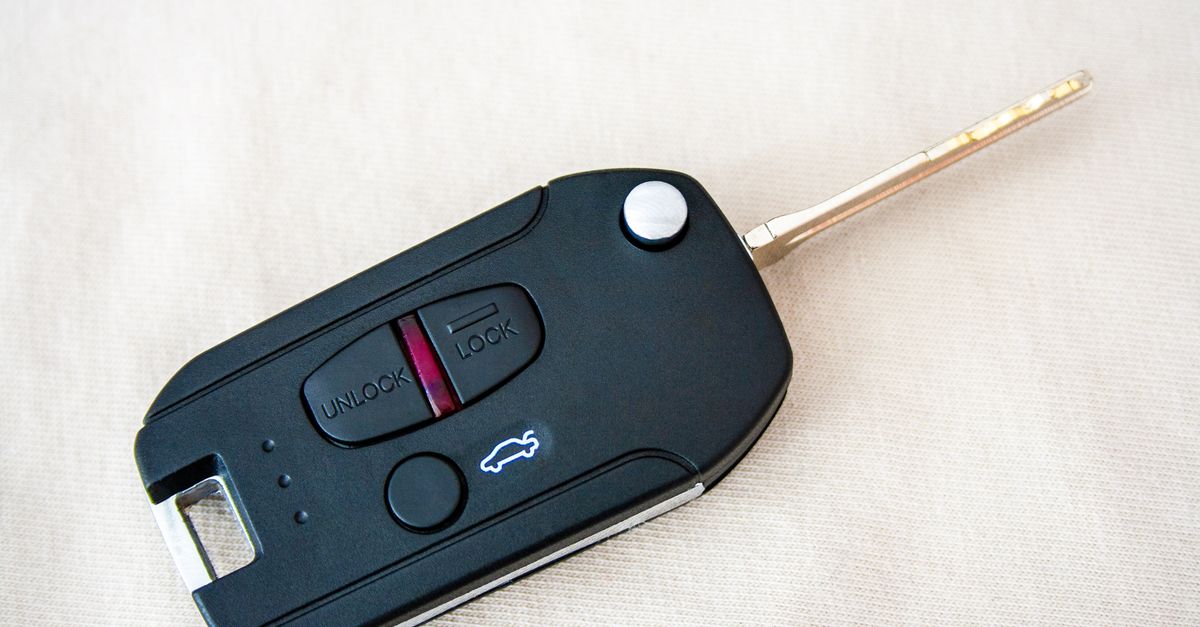
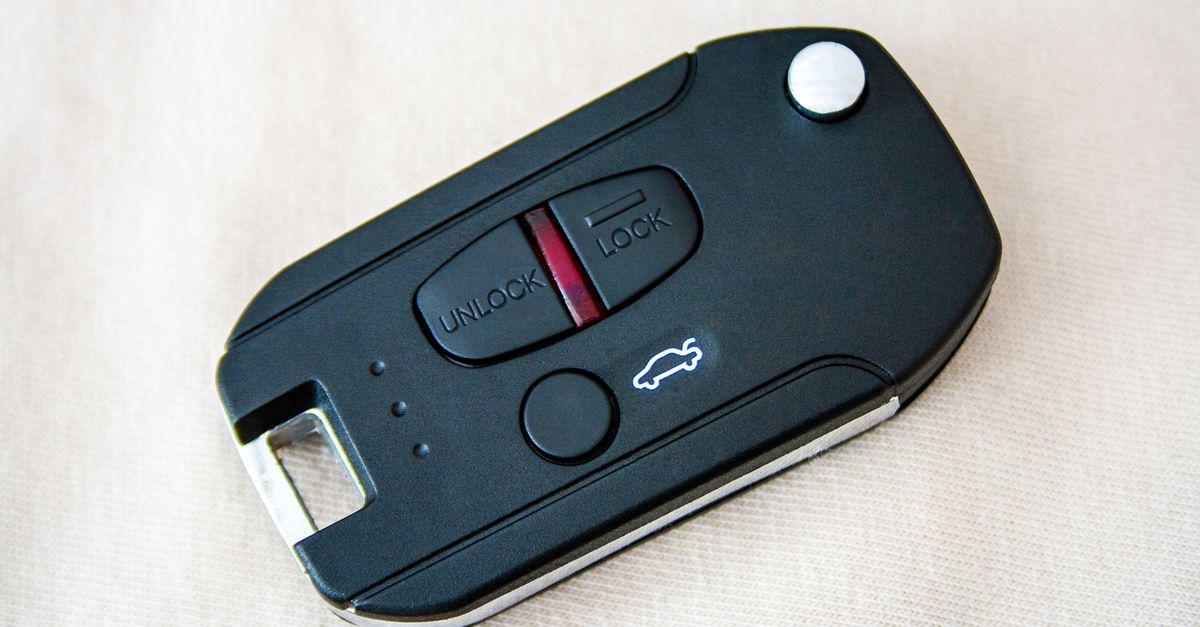
A basic metal key cut from a hardware store blank worked well for decades, but the overwhelming majority of vehicles manufactured after the mid-1990s include an embedded transponder chip inside the plastic head of the key. That chip must be electronically paired — or programmed — to your vehicle's immobilizer system before the engine will start. Without proper programming, even a perfectly cut blade will turn the ignition but leave you stranded. High-security laser-cut keys, also called sidewinder or internal-cut keys, add another layer of complexity because their unique winding groove pattern requires specialized machinery rather than a standard key duplicator. Proximity keys and smart fobs take things further still, communicating with the car's computer wirelessly and sometimes requiring a dealer-level OBD-II programming session performed by someone with the right diagnostic tools.
This is why professional car key duplication — done correctly — is a multi-step process involving precise mechanical cutting, transponder cloning or fresh programming, and functional testing before the technician packs up and leaves. Our mobile units carry a comprehensive inventory of key blanks and programmable transponder shells specifically to avoid making multiple trips or ordering parts after the fact. We perform damage-free procedures wherever possible, protecting your vehicle's wiring harness and ignition assembly throughout the entire job.