Car Key Replacement by Vehicle Brand — What You Need to Know
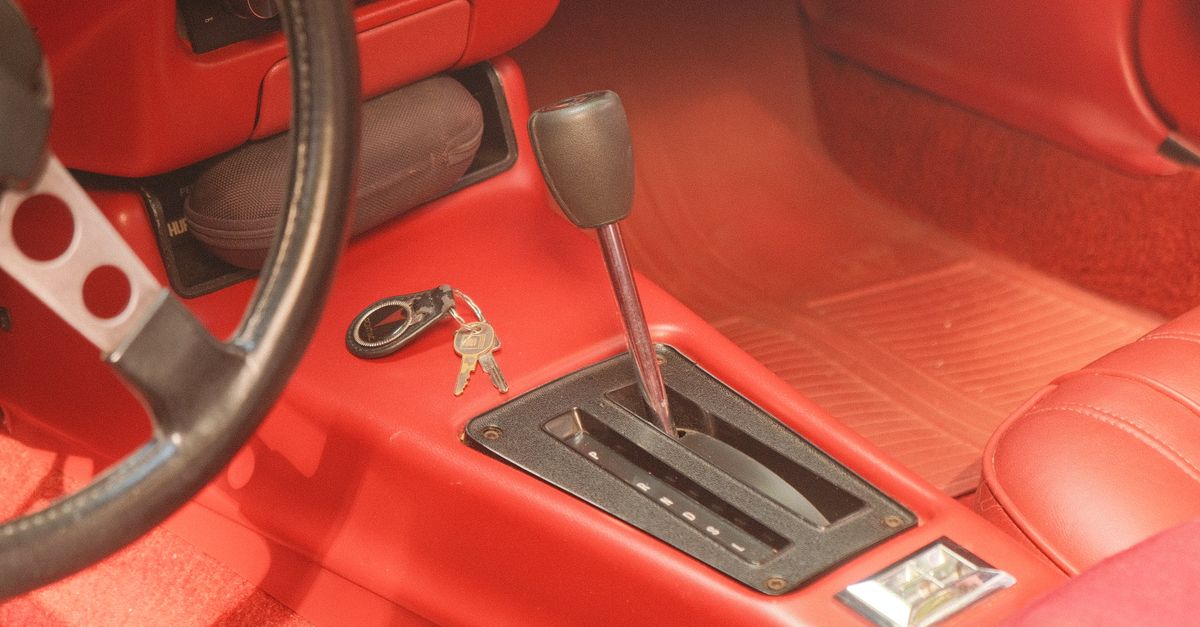
Different manufacturers use fundamentally different key and fob technologies, which means the process for replacing a lost or broken key varies widely depending on what you drive. Ford, GM, and Chrysler/Stellantis vehicles from the last decade typically use transponder keys or proximity fobs that must be programmed to the vehicle's PATS, VATS, or SENTRY KEY immobilizer systems. Toyota and Lexus smart keys use a rolling-code pairing protocol that requires live communication with the ECU. Honda and Acura models — especially those from 2017 onward — use high-security laser-cut keys with an additional transponder layer. German vehicles like BMW, Mercedes-Benz, and Audi rely on encrypted proximity keys where even a single lost key can require a full system re-sync. Our technicians are experienced across all of these platforms and carry the hardware and software profiles needed to handle them on-site.
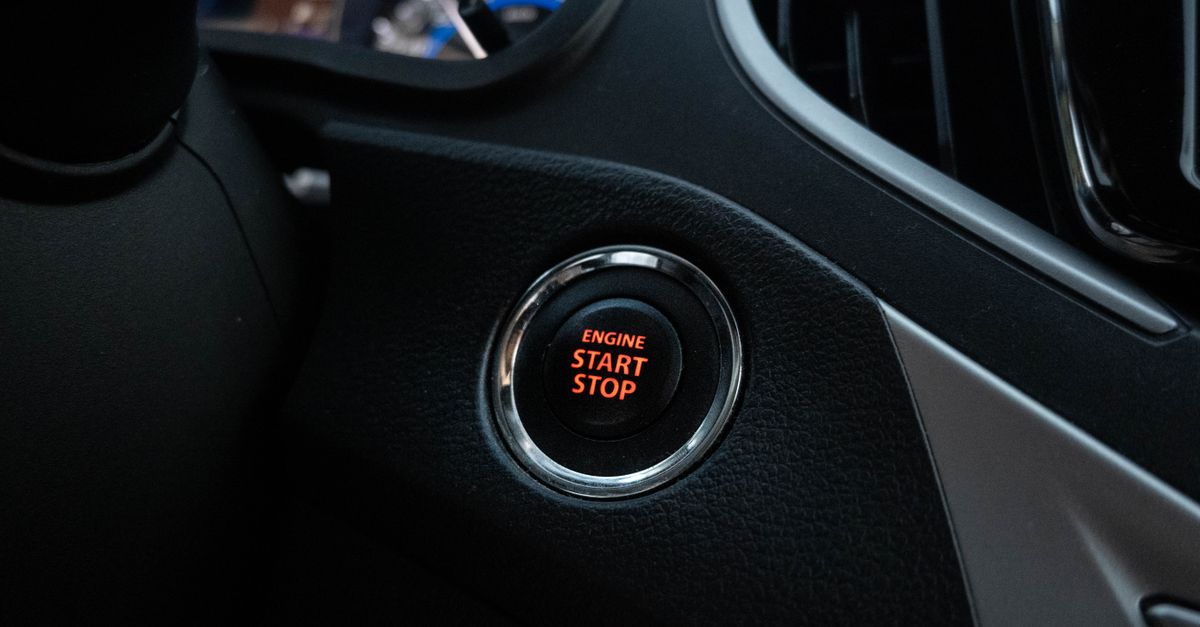
Luxury and newer model vehicles — Cadillac Escalades, Tesla models, and newer Hyundai and Kia push-to-start models — present their own unique challenges. Some Tesla vehicles, for example, use a phone-as-key system supplemented by a backup card or key fob, and restoring access often involves working with the vehicle's app ecosystem alongside physical hardware. Regardless of the brand, our team works methodically: we confirm ownership documentation, assess which key type your vehicle uses, and select the correct blank and programming sequence before cutting a single groove. If you are unsure what type of key your vehicle requires, call us at (516) 689-9712 and one of our technicians will identify it based on your year, make, and model.