Toyota Car Key Replacement: Understanding Your Key Type Before We Start
Not every Toyota key is the same, and getting the replacement right depends entirely on knowing what type of key your vehicle uses. Older Toyota models from the late 1990s and early 2000s typically use a basic laser-cut or edge-cut metal key with no electronic component — these are the most straightforward to duplicate on-site. From the mid-2000s onward, Toyota introduced transponder keys that contain a small embedded chip. When you insert the key and turn the ignition, the car's immobilizer system checks for a matching signal from that chip. If the chip is absent, cloned incorrectly, or unprogrammed, the engine simply will not start, even if the key turns freely in the barrel. Our technicians carry professional-grade key cutting machines and transponder programming devices in their service vehicles, so we can cut and program a working replacement without towing your car anywhere.
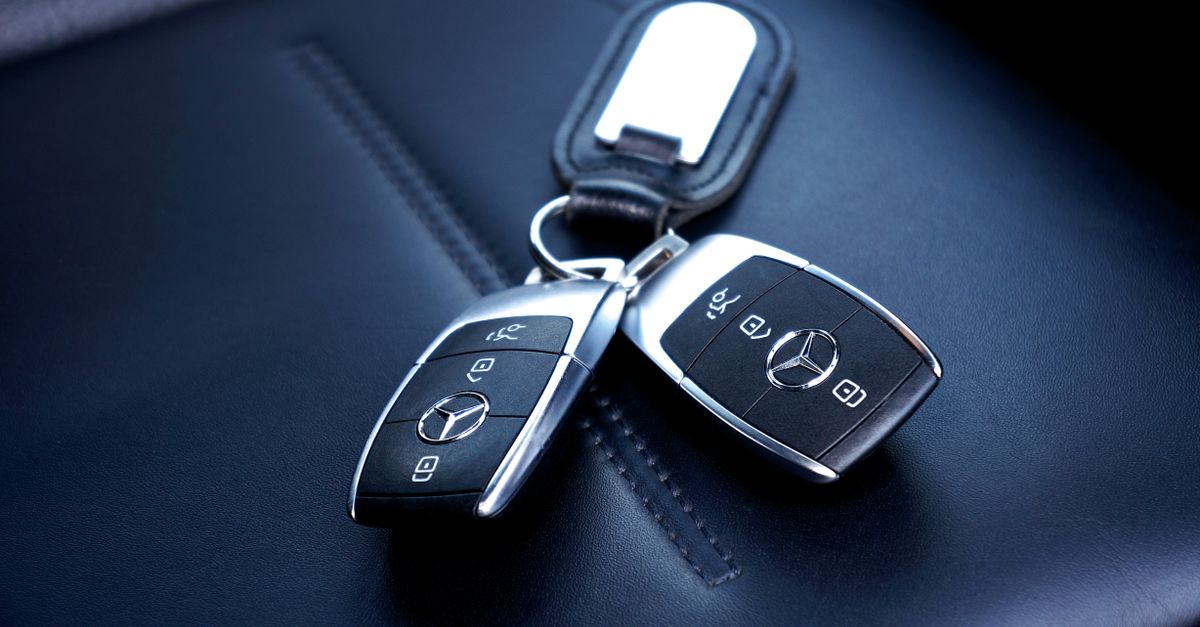
Remote key fobs add another layer: they combine the transponder chip with a radio transmitter that locks and unlocks the doors from a distance. Smart keys — found on newer Camry, Avalon, Highlander, and RAV4 models — go further still, using a proximity sensor so the car detects your key in your pocket and allows push-button starting. Programming a Toyota smart key requires direct access to the vehicle's OBD-II port and manufacturer-level software. We carry that equipment. Before we cut a single blank or begin any programming sequence, we ask you to provide proof of ownership — typically a photo ID and the vehicle's registration or title — because your security is our first responsibility.