Why a Door Knob Lock Fails — and What It Costs You in Security
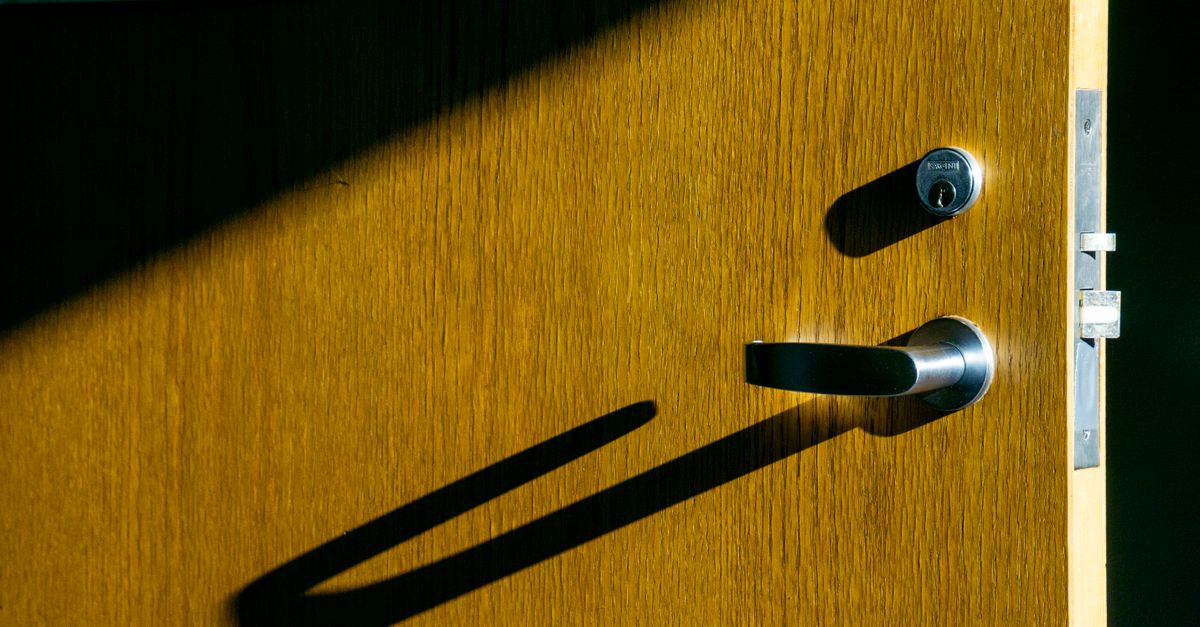
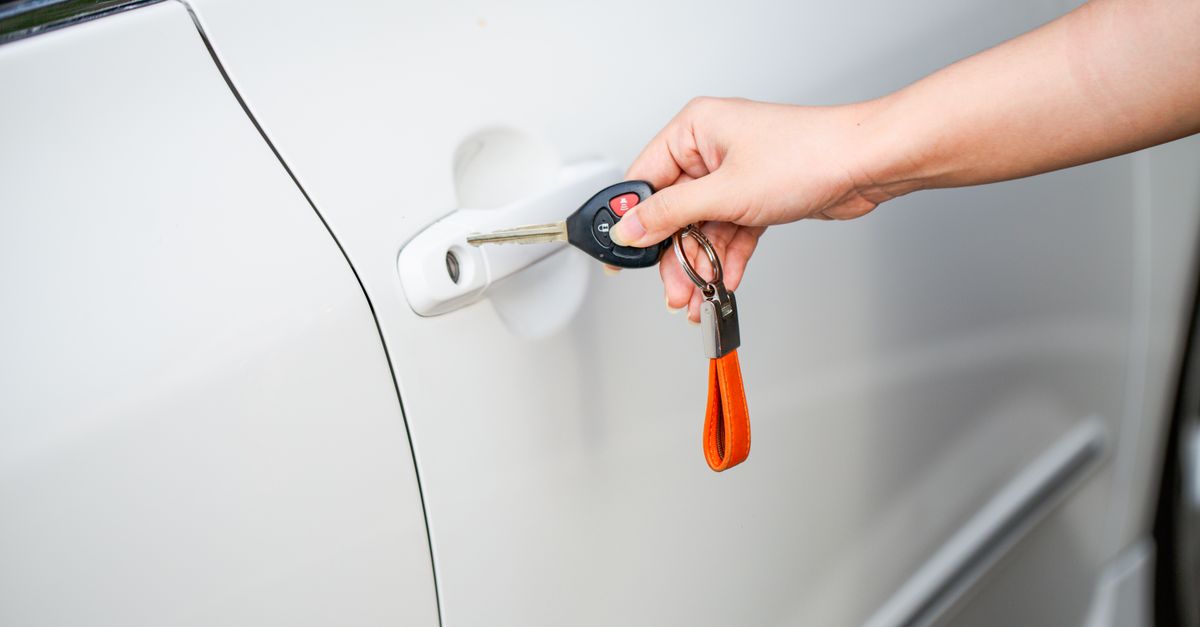
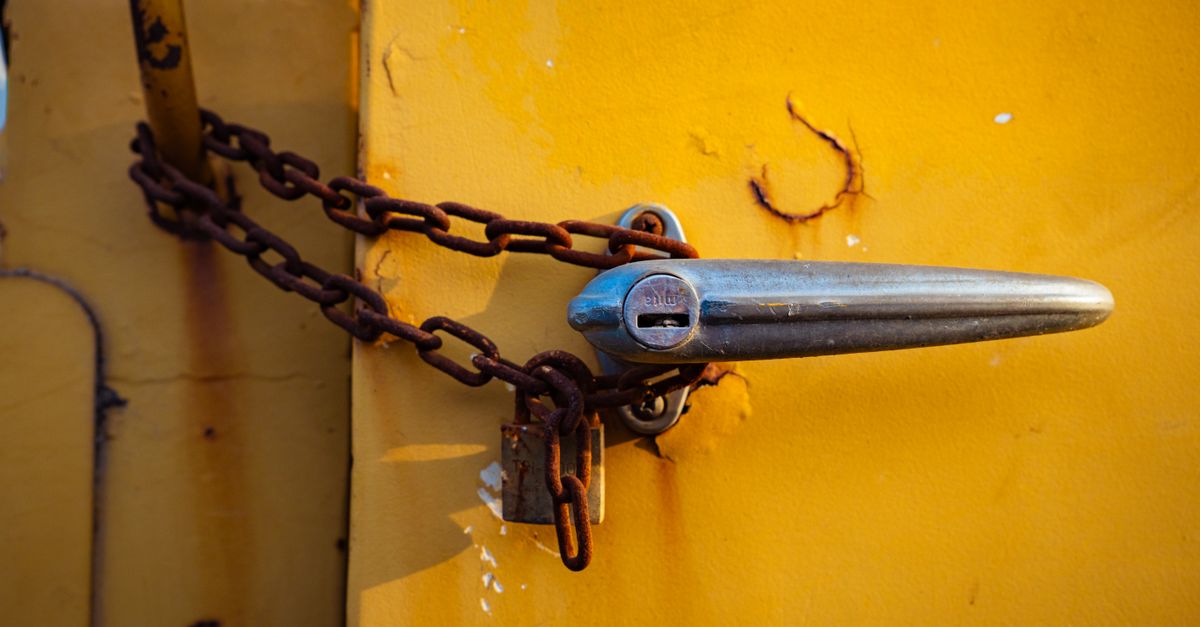
A door knob with lock and key relies on a tight mechanical relationship between the cylinder, the spindle, and the latch bolt. Over years of daily use — or after a single hard slam during a nor'easter rolling through Nassau County — that relationship breaks down. The most common failure modes we find in Bellmore homes are: a worn spindle that lets the knob rotate without retracting the latch, a corroded cylinder that makes inserting or turning the key feel like solving a puzzle, a frozen latch bolt that refuses to spring back after the door closes, and loose rose plates that allow the whole assembly to wobble and eventually separate. Each of these failures is more than an inconvenience. A knob that does not fully latch gives a would-be intruder the same entry opportunity as an unlocked door.
Interior failures matter too. A door knob with lock for bedroom or bathroom use that jams from the inside can trap someone — a serious concern in a home with elderly residents or young children. Replacement is almost always faster, more cost-effective, and more reliable than repeated lubrication-and-hope repairs. When our technicians arrive, they inspect the full assembly: the knob set, the strike plate alignment, and the door frame itself, because a misaligned frame is often the hidden reason a new knob will fail just as quickly as the old one did.